
Joint Repointing & Mortar Restoration
Crumbling Mortar Joints in Montréal? Repoint Them Before Water Damage Spreads
Mortar joints play a critical role
in protecting a brick wall from moisture, seasonal stress, and gradual deterioration. When those joints begin to crumble, crack, or recede, the wall becomes more vulnerable to water infiltration and the kind of damage that tends to spread over time.
In Montréal, that process often moves faster because of repeated freeze-thaw cycles. Water enters weakened joints, temperatures drop, and the pressure created by freezing moisture gradually wears down the masonry even further. What begins as worn mortar can eventually lead to damaged brick, broader wall repairs, and a more expensive restoration scope.
Brique Maçonnerie provides brick repointing Montréal property owners rely on to restore deteriorated joints, protect exterior walls, and extend the life of aging masonry. Whether the issue involves visible mortar loss, open joints around brickwork, moisture-related wear, or an older façade that needs careful restoration, the focus is on completing the work properly and preserving the wall for the long term.
Signs Your Brick Wall May Need Repointing
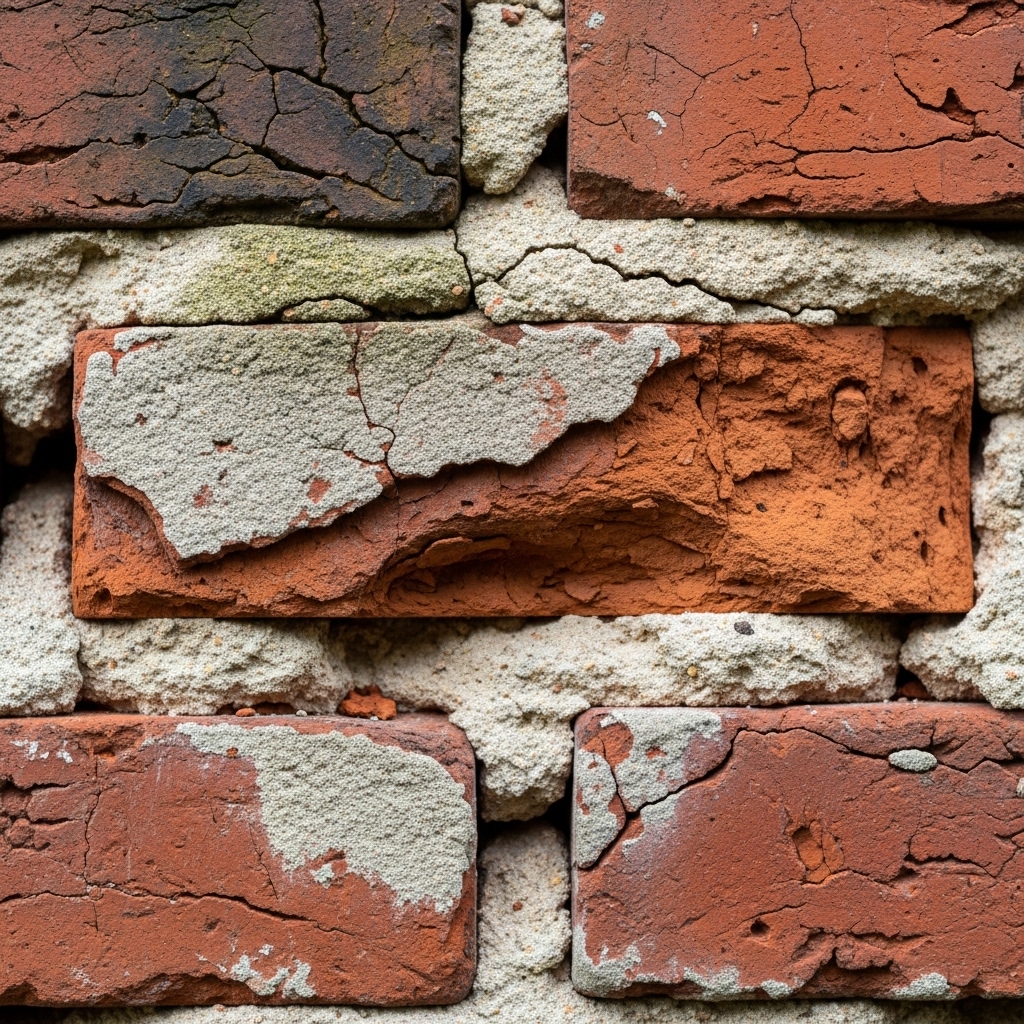
Mortar deterioration often starts gradually. Many walls still look stable from a distance even when the joints have already begun to fail.
Crumbling or missing mortar
When mortar starts falling out or turning to dust, the wall loses part of its protective barrier. Gaps between bricks allow more water into the masonry and increase exposure to future deterioration.
Receding mortar lines
Mortar that sits well behind the face of the brick is often a sign of long-term wear. Recessed joints can make the wall more vulnerable to moisture entry and weather-related damage.
Cracks in the joints
Small cracks along mortar lines may not seem urgent at first, but they can expand with repeated weather exposure. Once moisture enters those openings, the surrounding masonry is placed under more stress.
Dampness, staining, or white residue
Water infiltration often shows up as staining, persistent damp areas, or efflorescence on the face of the wall. Failing joints are one of the most common paths for moisture to move into brick masonry.
Deterioration around windows, chimneys, and upper wall sections
Mortar tends to wear faster in areas exposed to runoff, wind, and harsh seasonal conditions. Chimneys, parapets, corners, and sections around openings often need attention first.
Older walls showing general wear
Aging brick façades can remain standing for years while the mortar gradually weakens. Repointing at the right stage helps preserve the wall before brick replacement becomes part of the repair scope.
Why Mortar Joints Fail in Montréal
When water enters porous or cracked mortar and freezes, it expands. Repeated cycles place pressure on the joints and can gradually weaken both the mortar and the surrounding brick.
Freeze-thaw cycles
When mortar starts falling out or turning to dust, the wall loses part of its protective barrier. Gaps between bricks allow more water into the masonry and increase exposure to future deterioration.
Natural aging
Mortar has a lifespan. Older walls eventually need restoration simply because the original joints have worn down from decades of weather exposure.
Ongoing moisture exposure
Rain, snow, runoff, and weak drainage details all add stress to masonry. Once joints begin to open, moisture can move through the wall more easily and accelerate deterioration.
Previous patch repairs
Quick patching or incompatible mortar can create uneven wear and leave the underlying issue unresolved. Long-term results depend on removing failed mortar and restoring the joint with materials suited to the wall.
Stress at vulnerable transitions
Mortar often deteriorates first where the wall is under more exposure or movement, including corners, chimneys, parapets, and transitions around openings.
What Proper Repointing Does for a Brick Wall
Repointing restores the mortar joints between bricks after the original mortar has deteriorated. Done properly, it helps reinforce the wall, reduce water entry, and preserve the appearance of the masonry.
Effective brick repointing Montréal work is not about spreading new mortar over damaged joints. It requires removing deteriorated material, preparing the joints correctly, and installing replacement mortar that is compatible with the wall in both performance and appearance.
Well-executed mortar restoration can help:
- reduce moisture penetration through open joints
- slow the spread of masonry deterioration
- protect nearby brick from avoidable damage
- improve the look of worn exterior walls
- extend the service life of the façade
For many properties, repointing is one of the most practical ways to address exterior wear before more extensive repair becomes necessary.
Our Approach to Joint Repointing and Mortar Restoration
A durable result starts with understanding the condition of the wall rather than treating only the visible surface.
Condition assessment
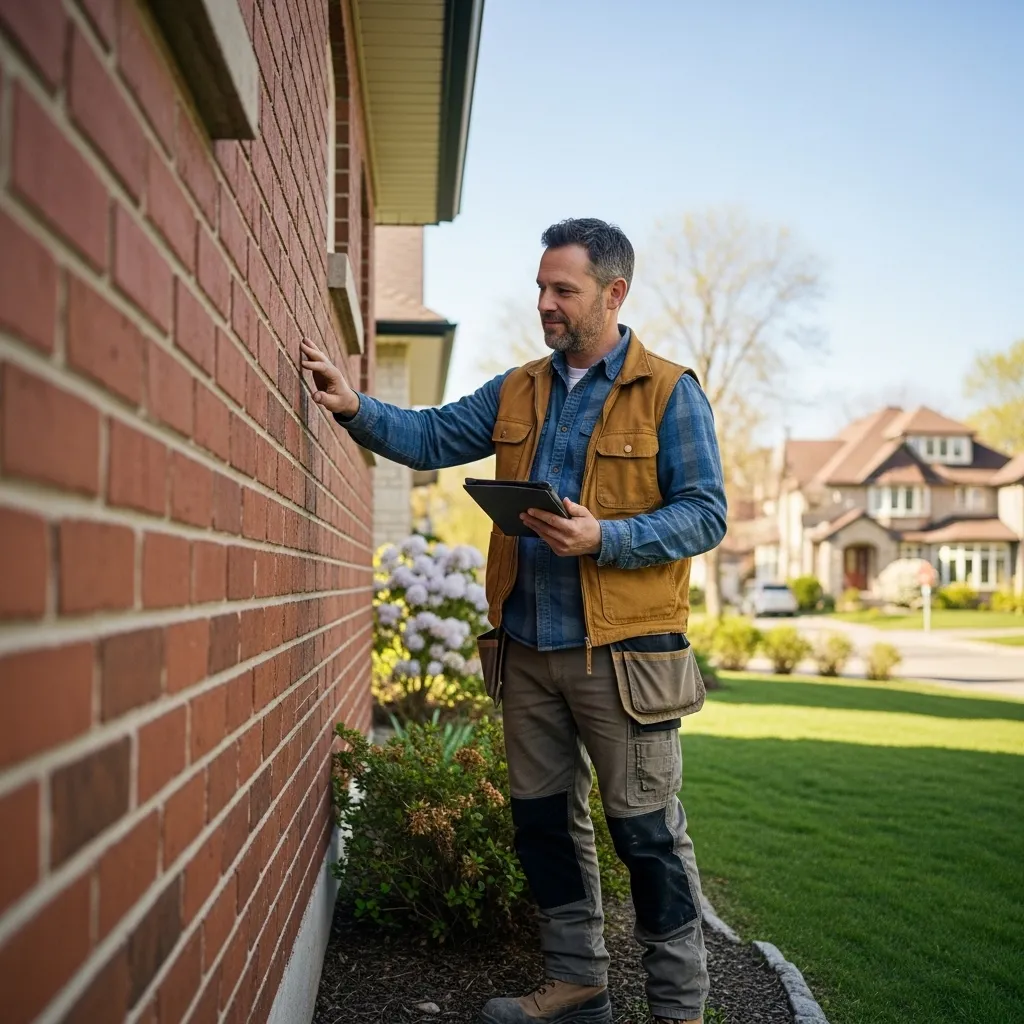
The first step is reviewing how much mortar has failed, where moisture may be entering, and whether the surrounding brick has also been affected.
Careful mortar removal
Failed joints need to be prepared properly so the new mortar can bond and perform as intended. Clean preparation is one of the details that separates a short-term patch from a lasting repair.
Mortar compatibility and visual consistency
Not every wall should receive the same mortar mix or finish. Strength, composition, color, and joint appearance all matter, especially on red brick façades and older buildings where mismatched repairs can stand out immediately.
Restoration with long-term performance in mind
Montréal masonry is exposed to repeated weather stress, which is why repointing should be completed with durability and moisture resistance in mind.
Broader repair recommendations when needed
Some properties need more than repointing alone. If deteriorated joints have already led to damaged brick, chimney wear, water-related deterioration, or localized wall failure, the repair plan may need to address those areas as well. Our masonry services also include brick and stone replacement, chimney repair and reconstruction, waterproofing and caulking, structural masonry repair, and heritage façade restoration.
Brick Repointing Montreal Cost and Pricing Considerations
Many property owners searching for brick repointing Montréal cost or brick repointing Montréal price are trying to decide whether the problem should be dealt with now or postponed. In most cases, earlier action provides more flexibility and helps limit the spread of damage.
When mortar joints are restored before water infiltration begins affecting the surrounding brick, the repair scope is often more controlled. Delaying the work can lead to additional moisture penetration, spalling brick, unstable sections, or partial rebuilding that goes beyond repointing.
Pricing depends on several factors, including:
- the extent of mortar deterioration
- wall height and site accessibility
- whether damaged brick also needs replacement
- exposure at chimneys, parapets, or upper elevations
- the level of mortar and appearance matching required
Why Property Owners Choose Brique Maçonnerie
Repointing work should protect the building, suit the existing masonry, and look consistent once the repair is complete.
Our service offering is built around the real issues property owners deal with most often, including deteriorated mortar joints, damaged brick, chimney deterioration, water-related wear, and façade restoration.
Older and red brick properties require more careful restoration choices. Mortar needs to be selected and finished in a way that supports both performance and appearance.
Property owners benefit from clarity around what needs to be restored now, what may need monitoring, and how the work supports the long-term condition of the wall.
Service is available across Montréal, Laval, Longueuil, Terrebonne, Saint-Jean-sur-Richelieu, Repentigny, and Granby.
Request a Repointing Quote
Mortar joints rarely recover once they have begun to fail. As they continue to open up, the wall becomes more exposed to water, freeze-thaw stress, and broader masonry deterioration.
For property owners dealing with crumbling mortar, recessed joints, or visible exterior wear, Brique Maçonnerie offers a clear next step: assess the condition of the wall, define the repair scope, and restore the joints in a way that supports long-term performance.
Whether the priority is stopping water infiltration, preserving the look of an aging brick façade, or avoiding a larger repair later, timely repointing can make a meaningful difference.